Filmmaker Spotlight with Al Chang
May 7, 2026
 tweet
tweet share
share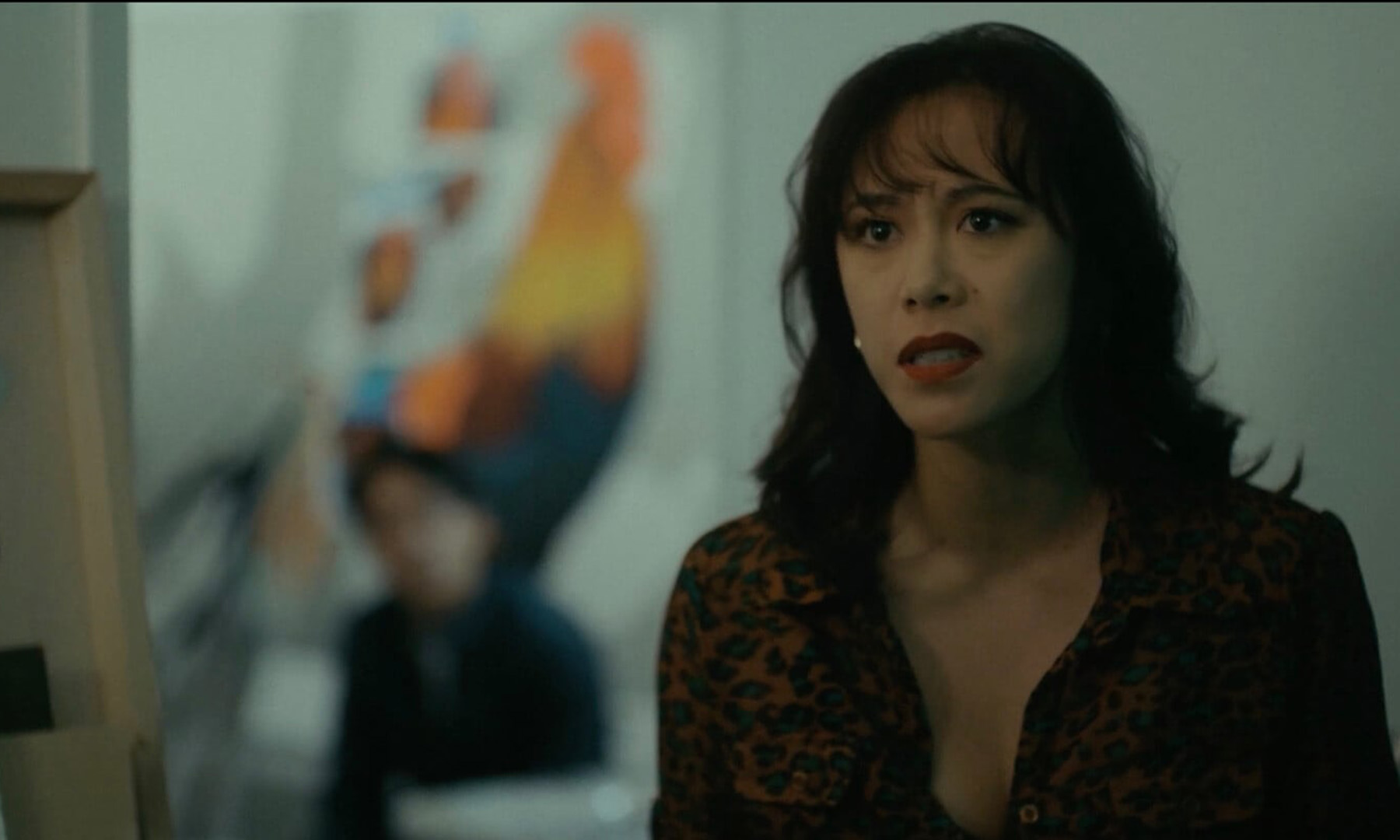
Filmmaker Spotlight
Curious about the artists behind the films? GIFFSD is asking a few of our 2026 filmmakers about their work, inspiration, and more. In this first edition of our filmmaker spotlight series, we hear from Al Chang, director of “CINDY.”
What is your first movie memory?

The first Batman with Michael Keaton and Jack Nicholson. That was the first movie experience I ever had. My cousin took me for my 5th birthday, which was the same day the film came out, June 23rd, 1989. We watched it at the historic Mann’s Chinese Theatre. I remember waiting a long time to get in. We went early to get good seats, when that was a thing. There was a huge Batman sign illuminated on the giant red curtains. I had no idea who Batman was or what a movie theater was for. I had never had popcorn or soda. The lights dimmed, the whole theater got dark except for the Bat-Signal. There were no previews, it just went straight to the film. It felt like magic. I didn’t just fall in love with movies that day, I fell in love with the feeling I got. Jack Nicholson’s Joker scared the life out of me as a five-year-old. I can’t remember a lot of specific moments in my life, but I can recall that day like it never ended.
How did you get started?
I’ve always loved film; I just never knew how to go about it. When I was younger, I wanted to be an actor, but back then there wasn’t really a clear path for someone like me unless you knew someone or had help getting in. It’s not like today where you have social media or platforms to put yourself out there.
So, I ended up going into writing music instead. That was my first real creative outlet — just trying to express things and figure out my voice.
Later, I joined the Army and spent 10 years in. It wasn’t until after I got out that I really gave film a shot. I used my GI Bill, went to school, and just started making things.
From there, it’s been a process of learning by doing. Every film taught me something new, and I just kept building from that.
What is your guilty pleasure film?
Ever since I found this film, I watch it all the time, even as white noise while I do work around the house. It’s called Coherence by James Ward Byrkit. It’s an indie sci-fi film that I found randomly in a video store. I really appreciate this film for its big idea in such a small setting. The entire film takes place in a home. It’s an ensemble cast, so there’s a lot going on, but it was the first time I felt like I could be a filmmaker if I could just figure out how to tell stories. It didn’t matter the subject or location. If you could figure out how to get people invested, you could tell that story anywhere, regardless of budget.
Popcorn or Candy?
Popcorn all day.
What do you want audiences to know about your film?
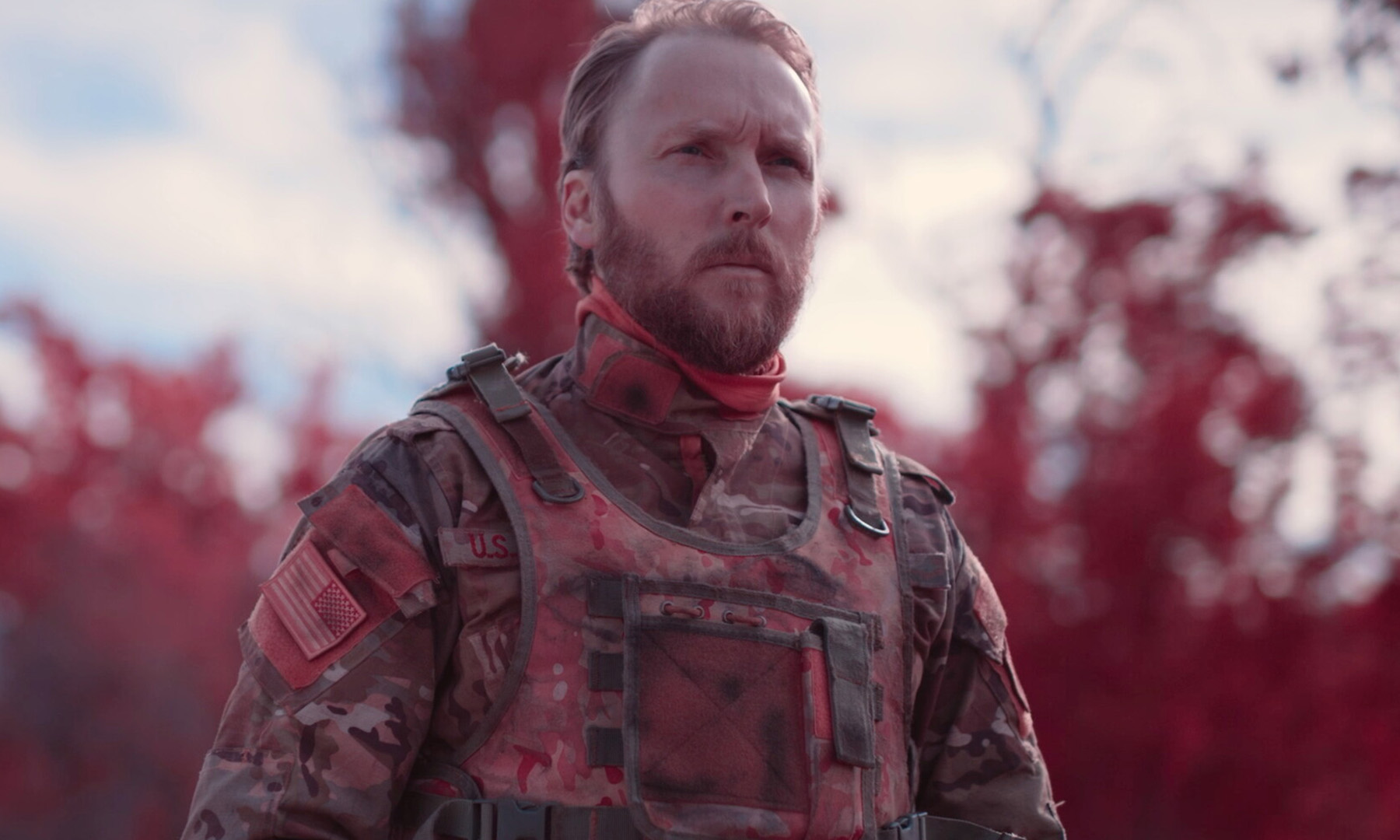
Cindy is based on true events that happened to me one night. Without giving anything away, I used to be in a rap group and write late at night in my car. I figured since I’m out driving all the time and sitting in my car, I might as well find a job that would pay me to deliver stuff so I could do two things at once. I applied for a driving job on Craigslist, which turned out to be a crazy experience that eventually inspired this story.
Why do you think films are important?
Film is important to me because it encapsulates every art form. It can be as deep and layered as you want it to be, or it can be simple and direct, and both can have the exact same impact on an audience. To me, story and art are not mutually exclusive. Whether film feels singular or communal, it is always driven by story.
What makes film so powerful is that it gives you the ultimate platform to convey story without limits to imagination. It can combine image, sound, performance, rhythm, silence, and emotion in a way no other medium can. There are so many complicated parts to filmmaking, but at its core, it still comes down to the same thing it always has: telling a story in a way that connects with people.
I think that’s why I’ve always loved it. I remember going to summer camp and there were always a few people who could tell the best stories. Their cadence and the way they approached it would completely pull people in. I look at film the same way. For all its moving parts, at its essence, it’s still about connection, that subtle beat before the word, holding just for that right moment to convey something and hopefully making them feel something.